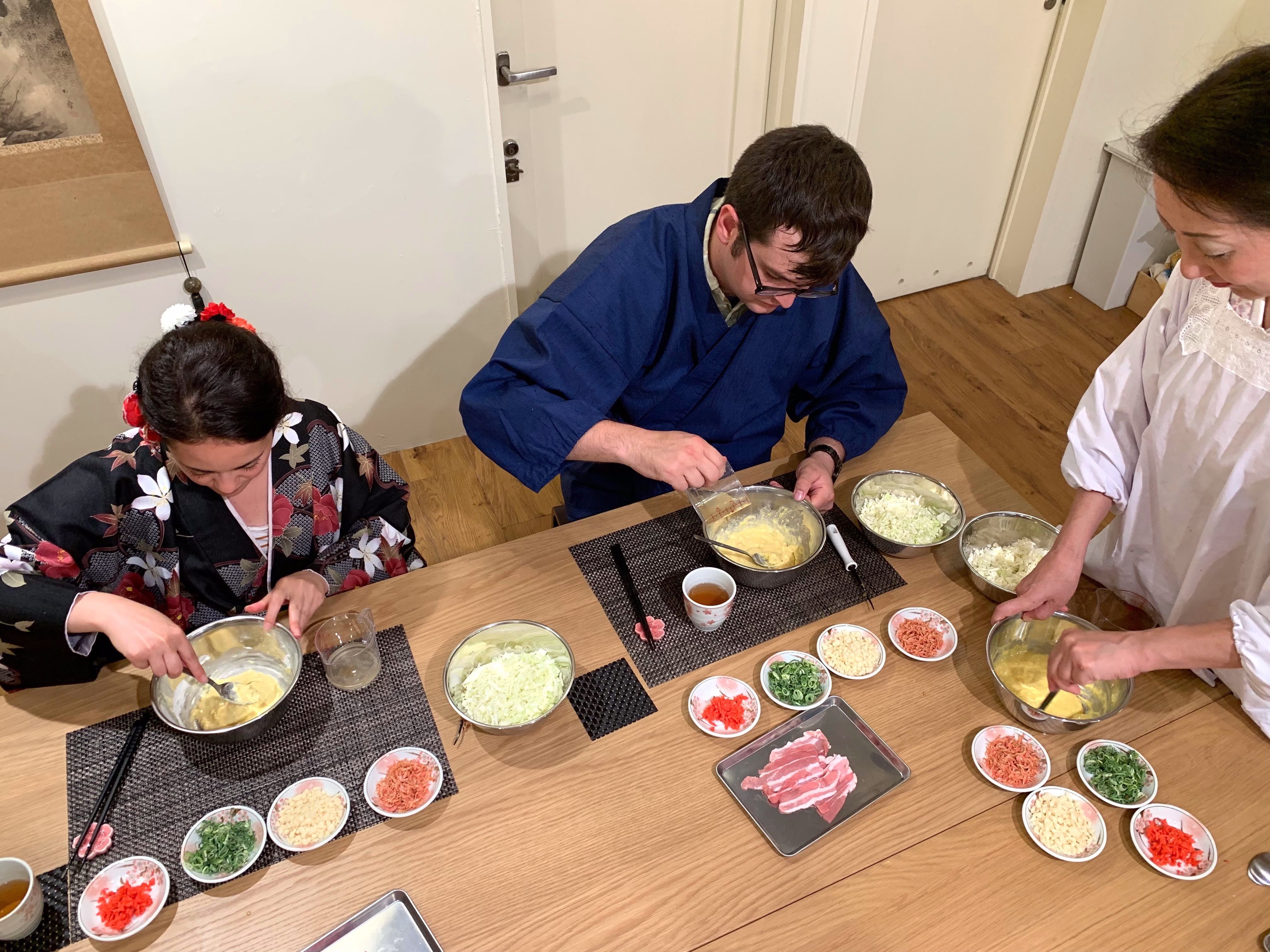
Express Okonomiyaki Cooking Class


Hal yang disukai tamu
- Pengalaman memasak otentik yang intim.
- Tuan rumah yang ramah dan berpengetahuan luas
- Pembelajaran praktik langsung dalam bahasa Inggris.
- Momen paling berkesan dalam perjalanan ini
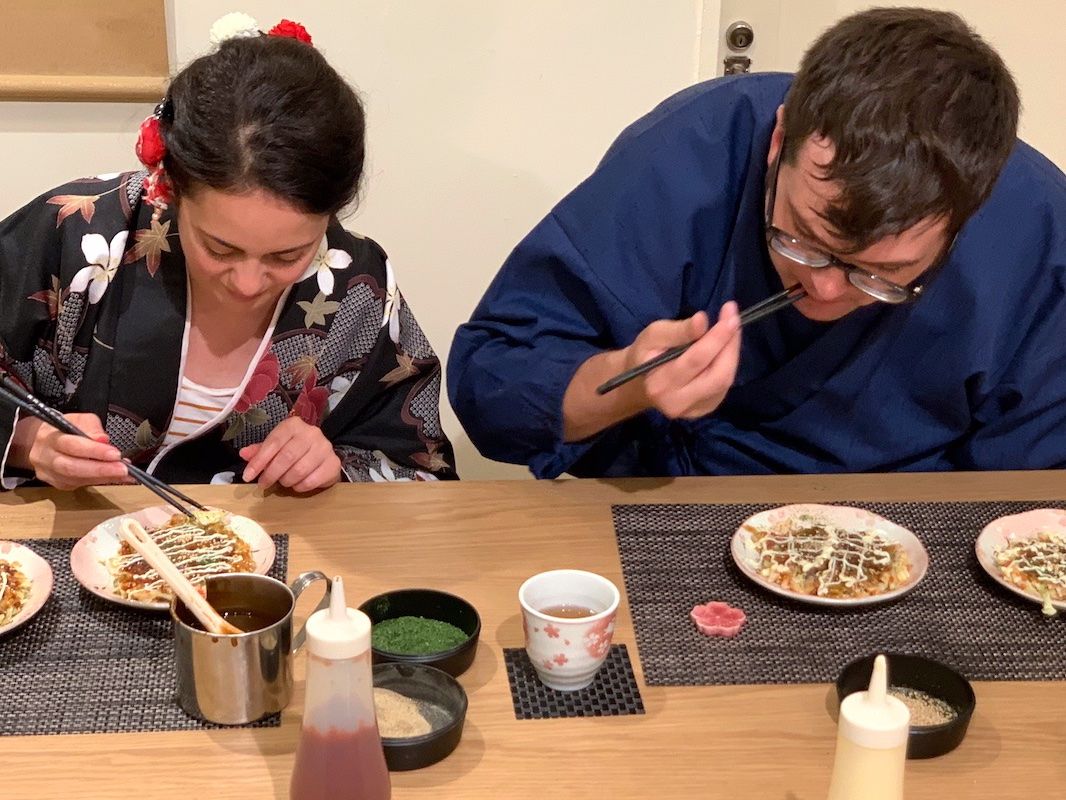
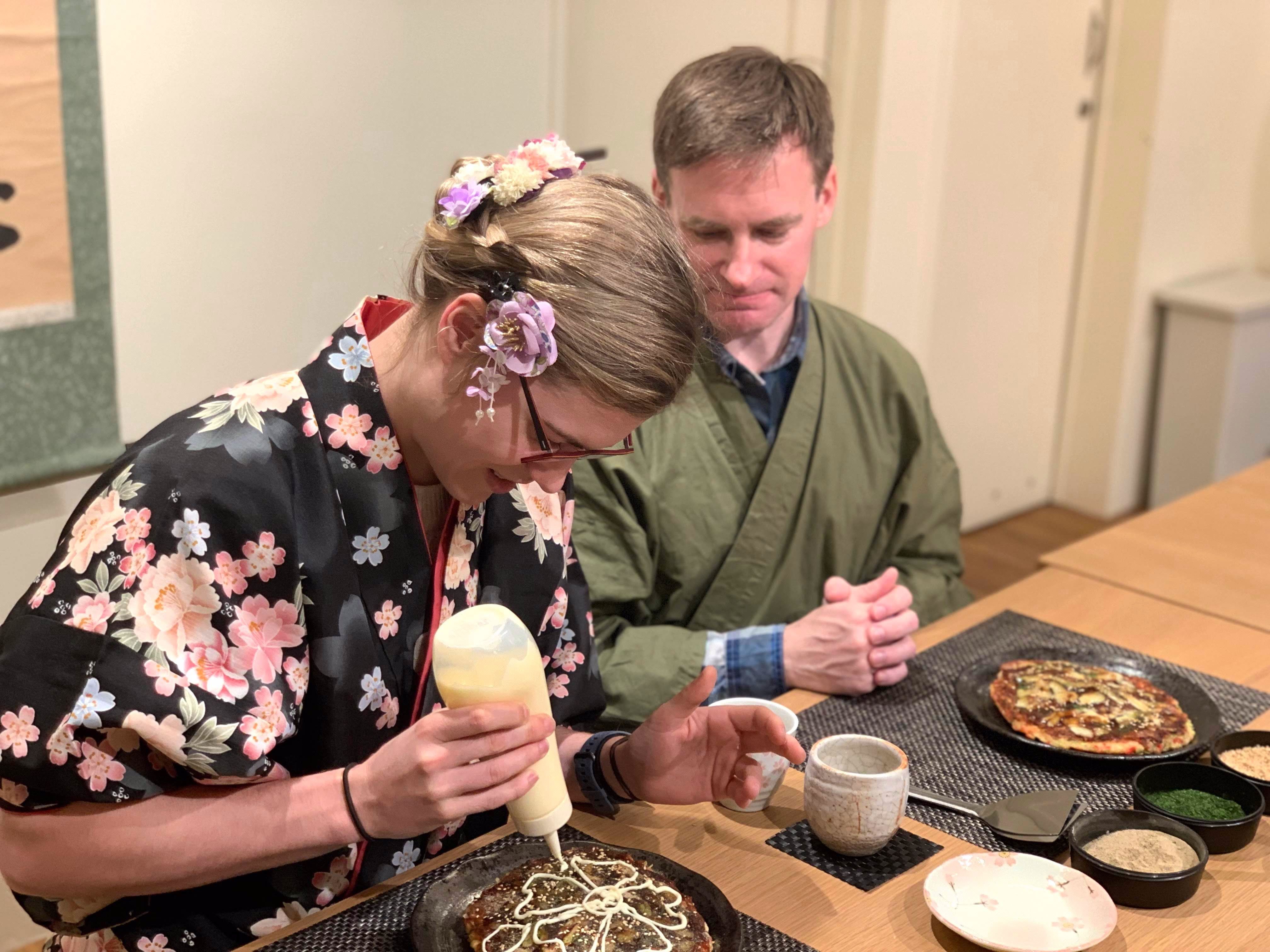
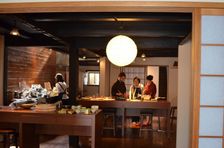
Para tamu mengatakan kelas ini menawarkan pengalaman memasak yang intim dan otentik yang terasa seperti salah satu momen terbaik kunjungan mereka. Penyelenggaranya selalu digambarkan sebagai sosok yang ramah, berpengetahuan luas, dan menghibur, membuat penjelasan menjadi jelas dan suasana menjadi menyenangkan. Para peserta menghargai pendekatan praktik langsung yang dilakukan sepenuhnya dalam bahasa Inggris, yang mudah diikuti oleh pemula sekaligus membenamkan mereka dalam budaya lokal.
Apa yang Diharapkan
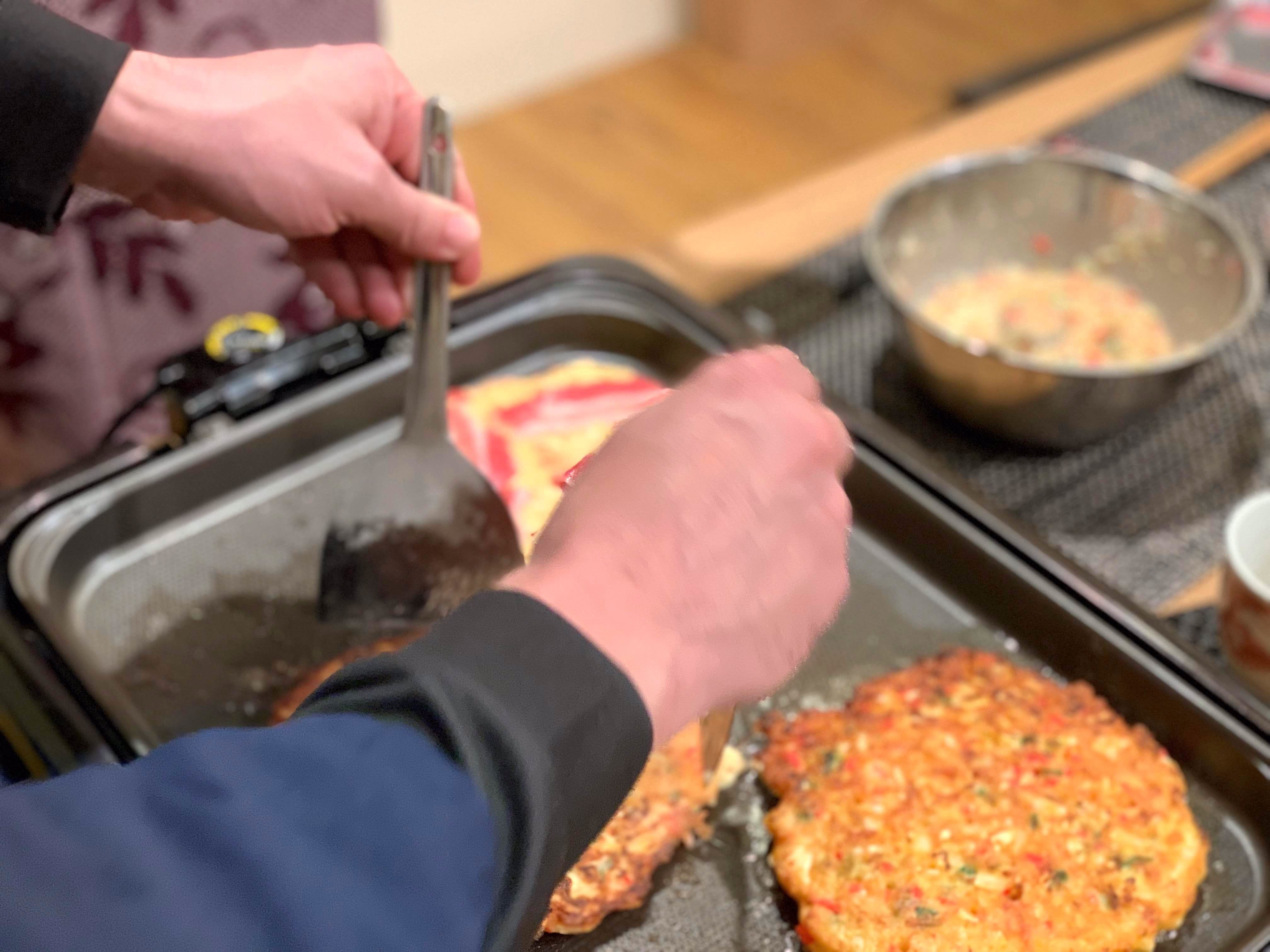
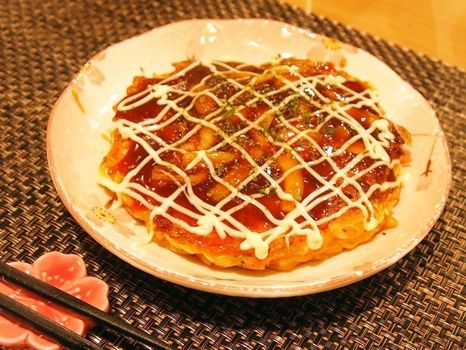
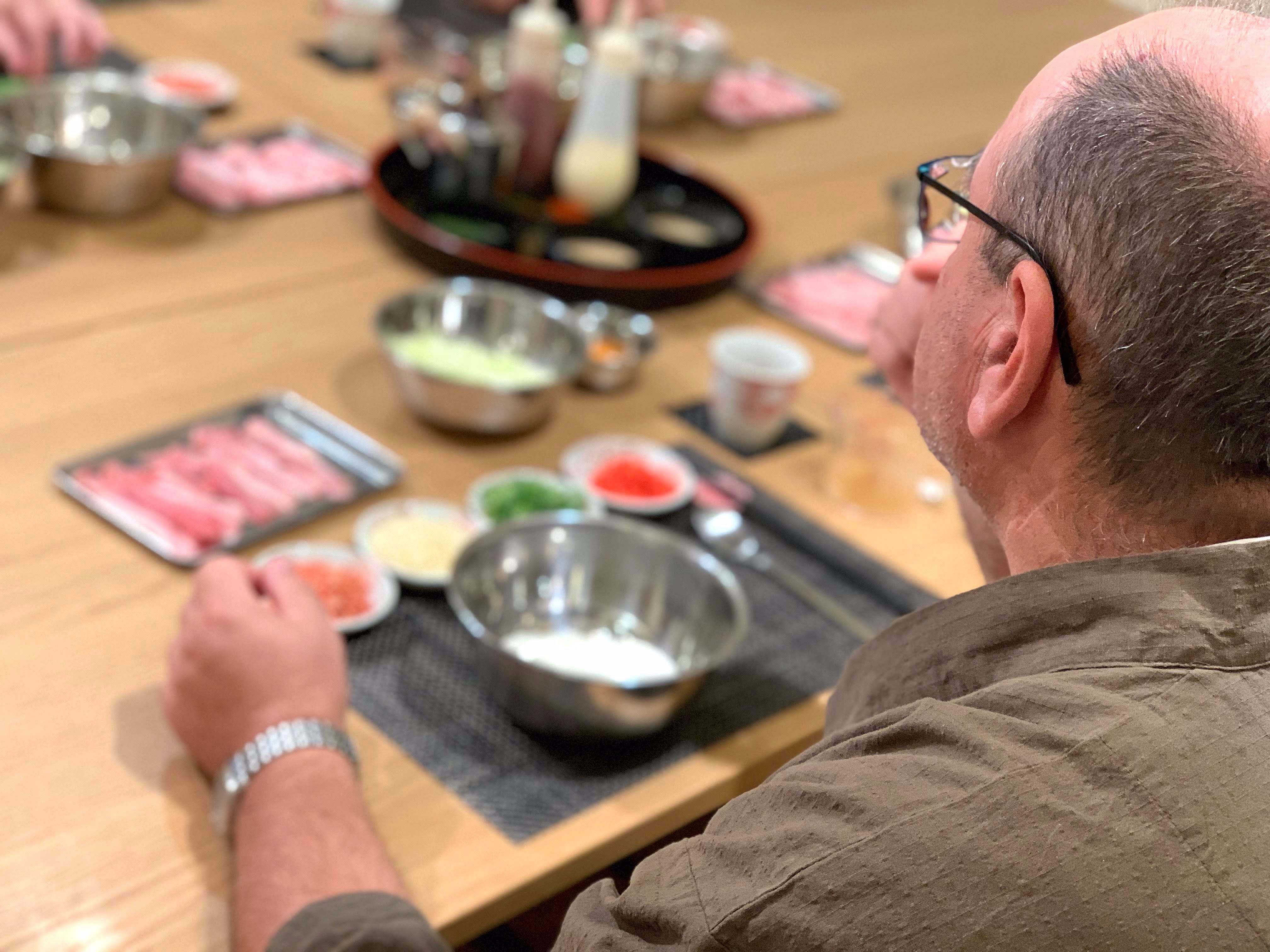
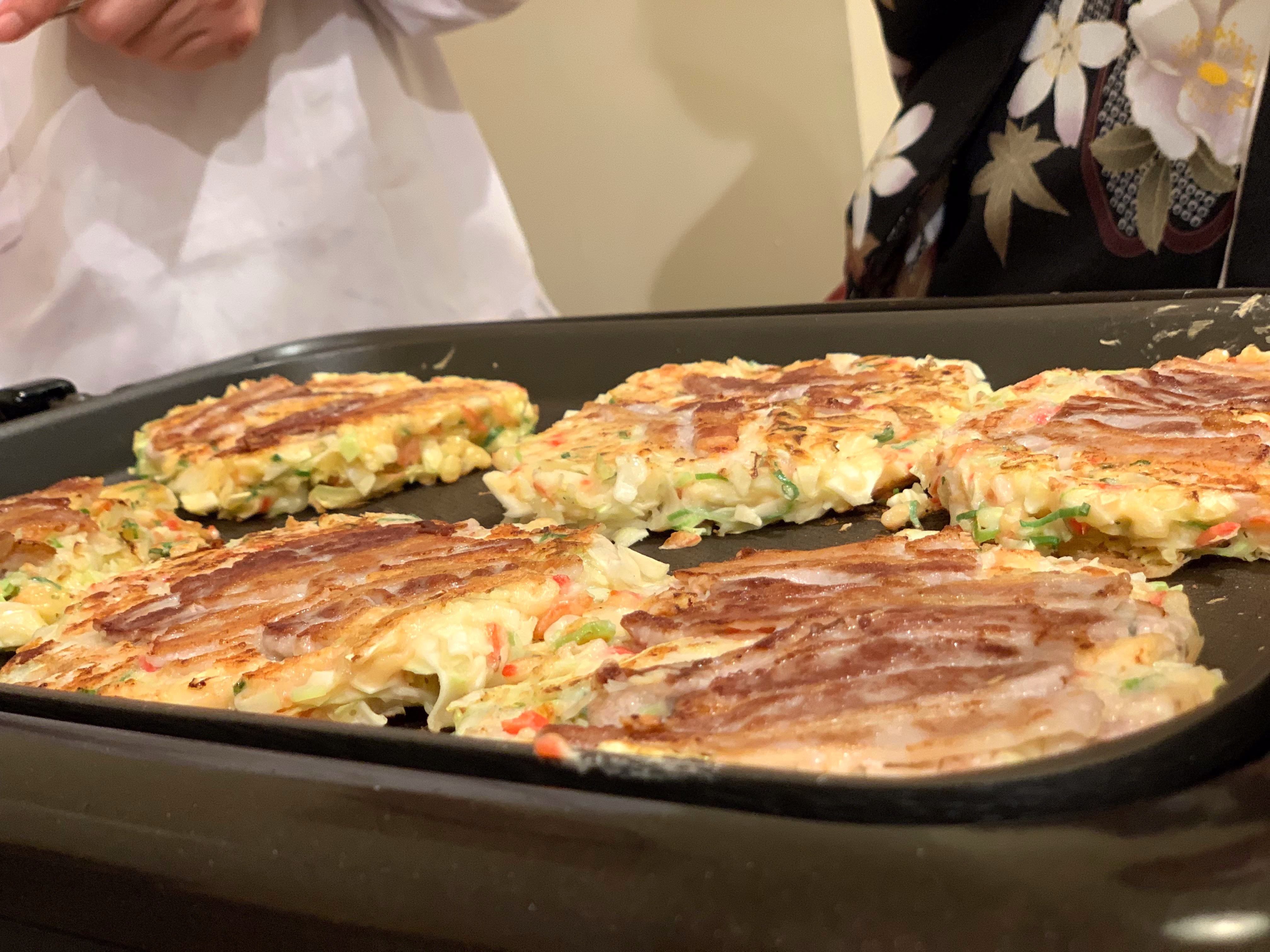
Okonomiyaki is a local Japanese food cooked on an iron griddle.
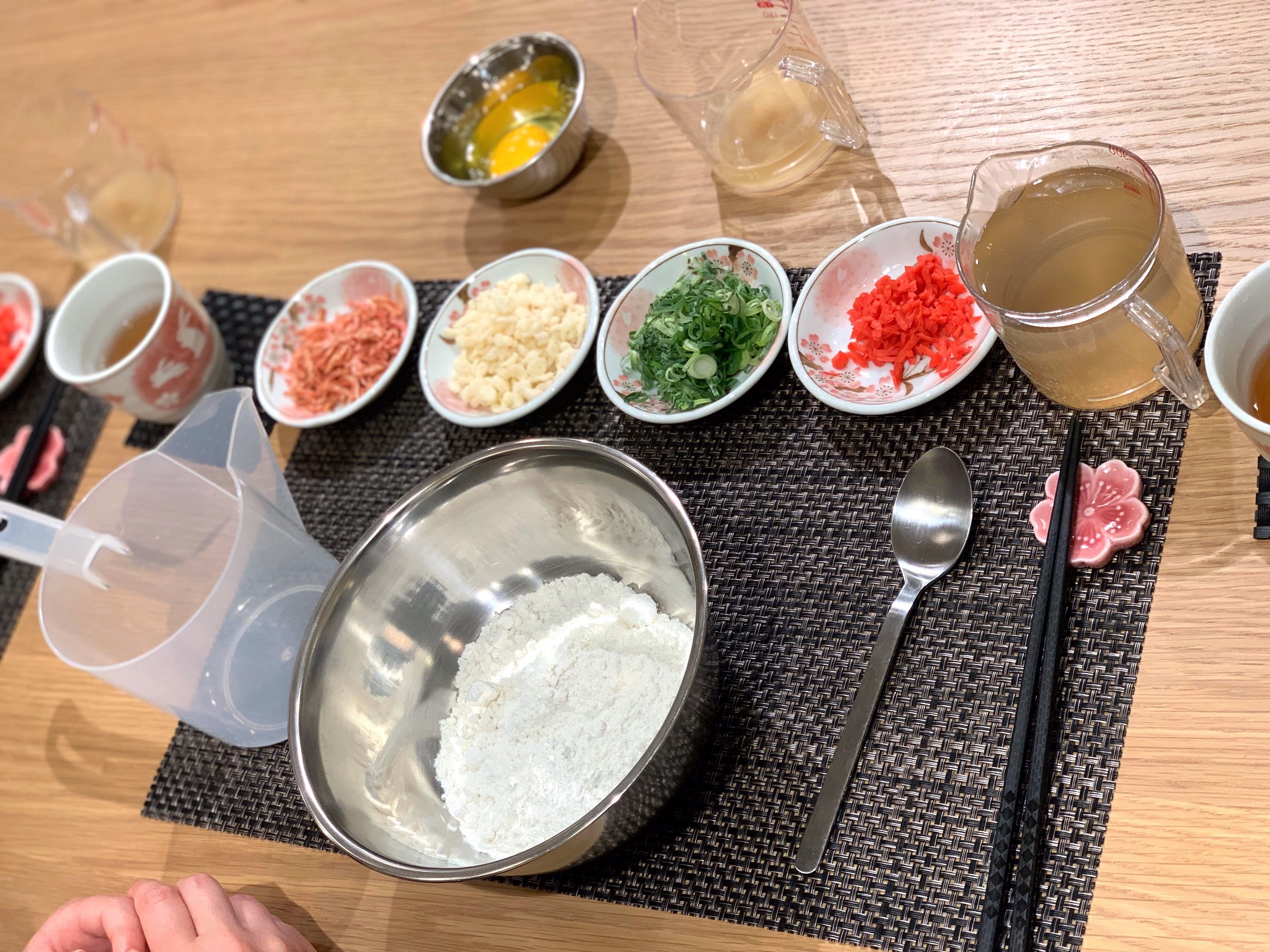
There are two styles in making Japanese pancakes such as Osaka style and Hiroshima style. In Osaka style, we mix the ingredients and different toppings then fry the mixture on the pan. The main ingredients are wheat meat and or seafood, flour, eggs, vegetables.
There are many Japanese foods made from flours such as Okonomiyaki, Takoyaki and Udon.
Osaka's "Konamon" culture is famous in Japan. Konamon means flour-based foods and is the most popular type of food in Osaka. Rumor has it that people in Osaka have it at least once a day, and over 80% of ordinary households have Takoyaki tools with them.
In Osaka, the town of merchants, it is others said that people tend to eat in spare moments from their work so that they earn more. There is a theory that wheat flour dish developed instead of a shortage of rice after the Civil war.
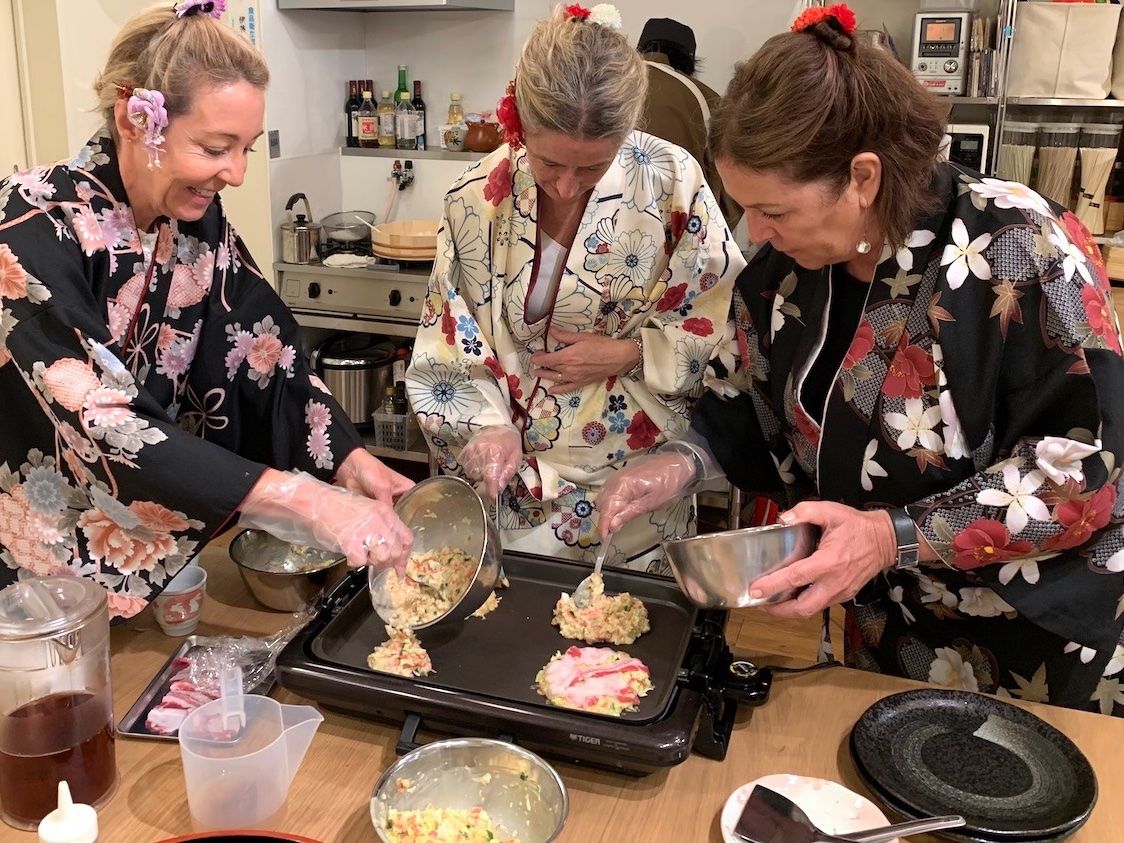
You can put on the traditional Japanese clothes in free charge: Kimono (for women), Samue (for men), Yukata (for girls), Doug/Kendo/Karate(for boys)
Please join us for the fun class! You will get our original recipe booklet and certificate from SAKURA. We also take pictures during the lesson and will send you via e-mail after the class. The class is vegetarian and vegan menu friendly.
Menu
- The class is Vegan, Vegetarian, and Halal-friendly.
- Okonomiyaki
- Unlimited Japanese tea
Jadwalkan
Duration: 60 minutes
- 5 minutes: Introduction with local refreshment
- 50 minutes: Cooking and eating session
- 5 minutes: Change clothes and take pictures
Titik Pertemuan
Please come to the classroom 5min before starting time. 京都市中京区夷川通西洞院東入泉町660 SAKURA Experiencee Japanese Culture Nijo Home さくら日本文化体験
Termasuk Sorotan
Informasi Tambahan
Konfirmasi
Anda akan menerima konfirmasi pemesanan dalam waktu 24 jam.
Pembatalan gratis
Full refunds will be issued for cancellations made at least 48 hours prior to the activity.
Ulasan Tamu
Pilih tanggal
Ditampilkan Dalam